Minimally invasive dentistry (MID) is an approach to dental treatment that focuses on preserving as much of the natural tooth structure as possible. The goal is to minimize the removal of healthy tooth tissue and provide conservative, patient-friendly treatment options. This approach is based on the principle that the more natural tooth structure that can be preserved, the better the long-term oral health outcomes for the patient.
Here are some key aspects of minimally invasive dentistry:
Early Detection and Prevention
MID emphasizes early detection of dental issues and preventive measures to avoid the progression of dental diseases. Regular dental check-ups and cleanings are essential for identifying problems at an early stage
Conservative Restorations
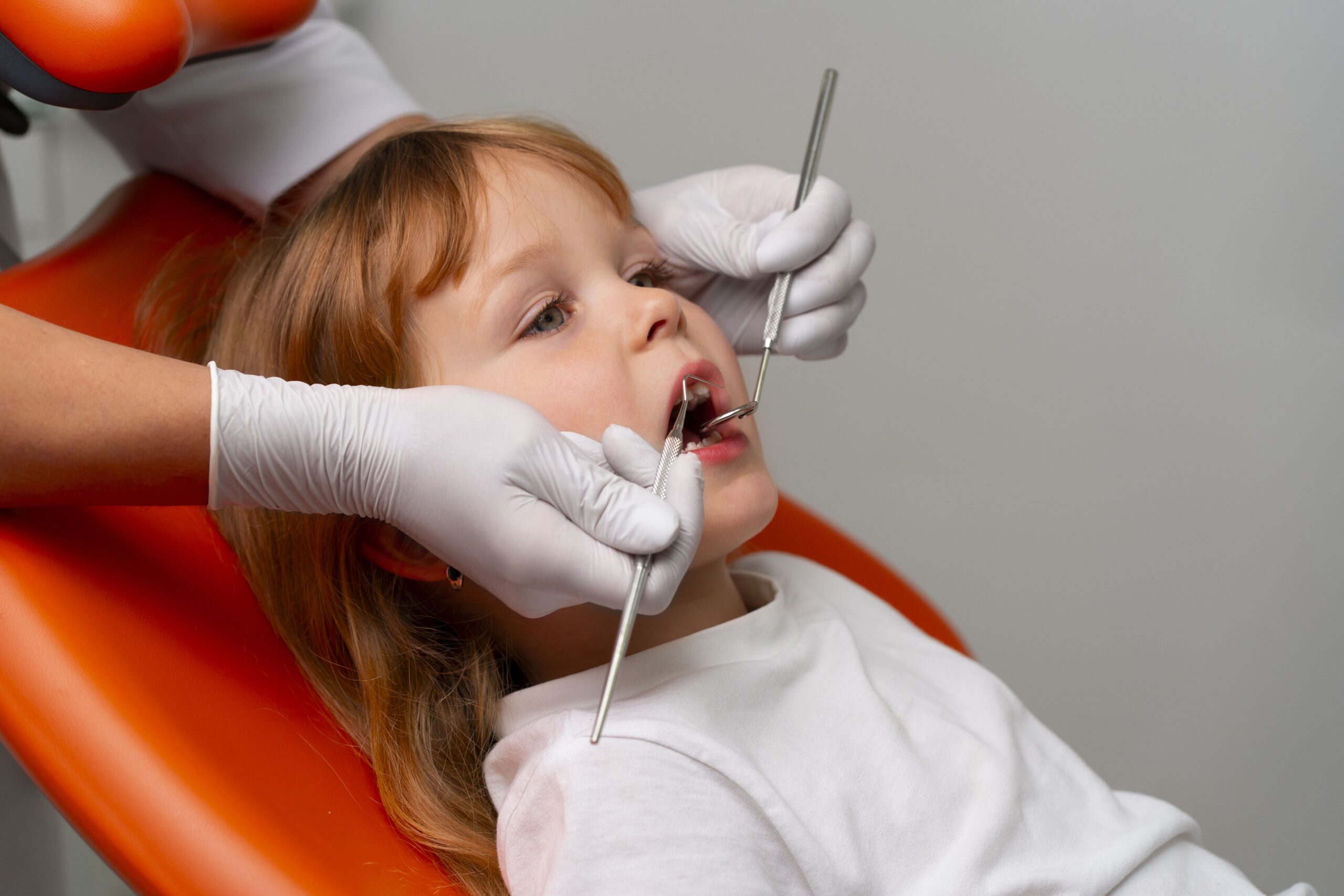
When restorative treatment is necessary, minimally invasive techniques involve removing the smallest amount of tooth structure required to address the issue. This often involves the use of smaller fillings and more conservative approaches to addressing cavities or damaged teeth.
Sealants
Dental sealants are thin coatings applied to the chewing surfaces of molars and premolars to protect them from decay. This preventive measure is minimally invasive and helps to seal off the vulnerable areas of the teeth.
Adhesive Dentistry (Bioclear)
Adhesive or bonding techniques allow dentists to bond restorative materials directly to the tooth structure, reducing the need for extensive drilling and preserving more natural tooth tissue.
Remineralization and and repair of enamel
This natural repair mechanism restores essential minerals like calcium and phosphate, helping to reverse early signs of decay and sensitivity.
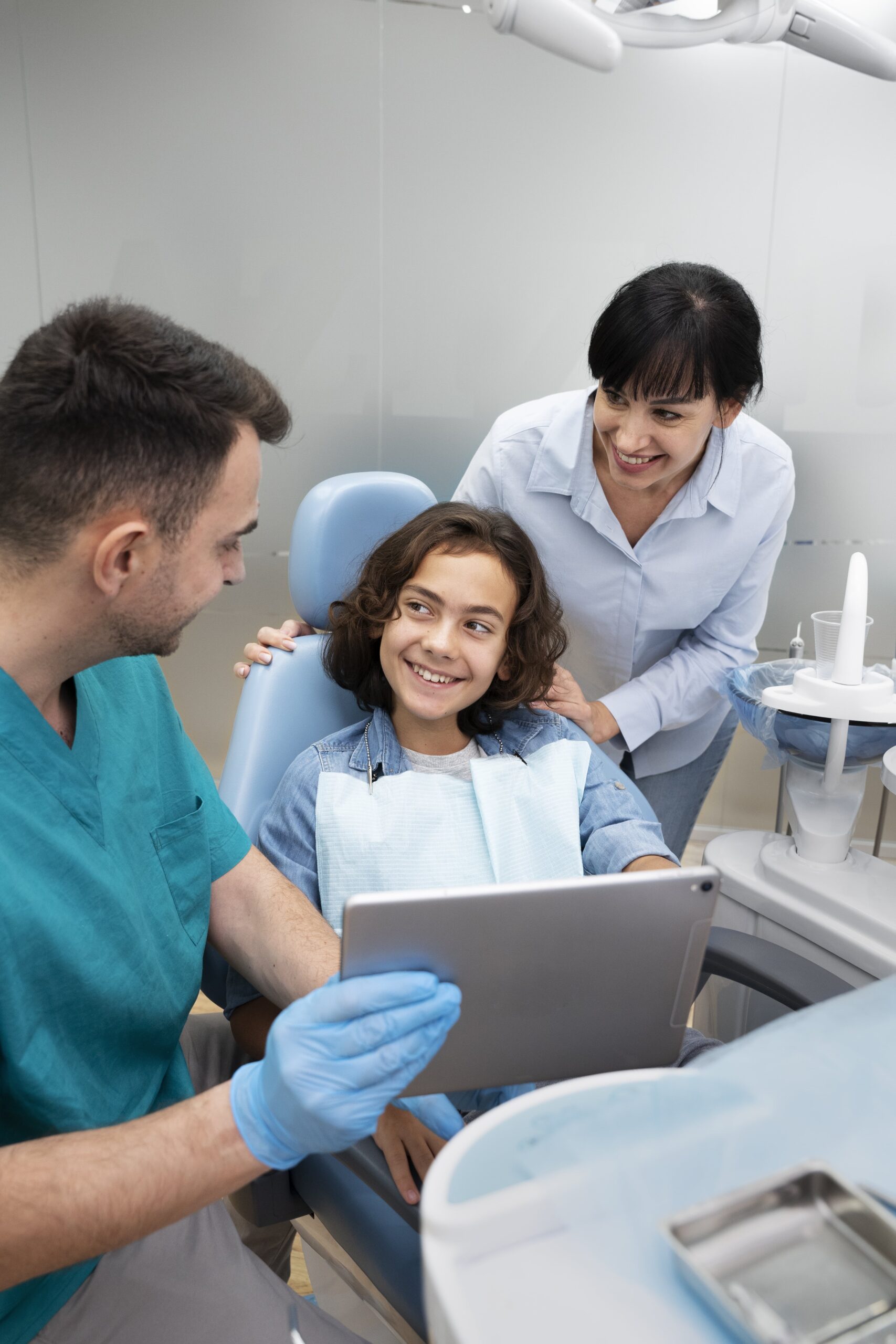
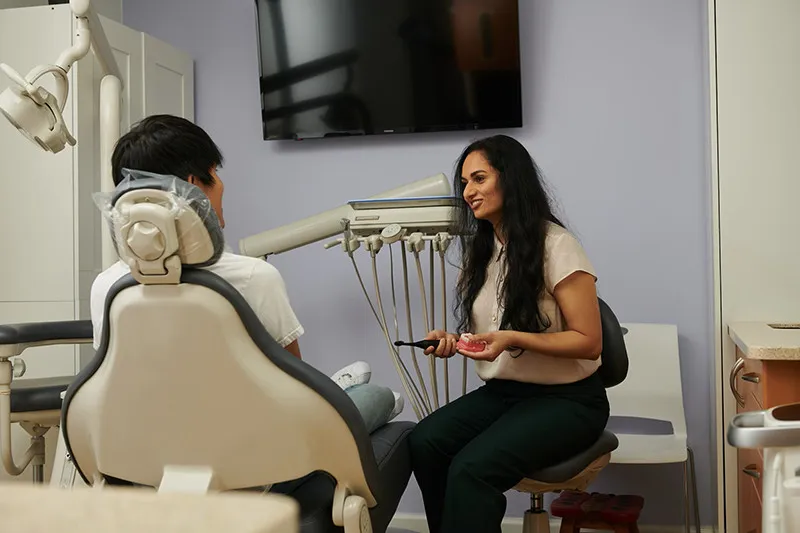
Patient Education
Educating patients about proper oral hygiene practices and the importance of regular dental check-ups is a fundamental component of minimally invasive dentistry.
Minimally invasive dentistry not only focuses on preserving tooth structure but also aims to provide more comfortable and anxiety-free experiences for patients. Patients are often more receptive to dental care when they know that the treatments are designed to be as conservative as possible.
It’s important to note that the specific approach may vary based on the individual patient’s oral health needs, and not all dental procedures can be entirely minimally invasive. However, the overall philosophy is to prioritize preservation and prevention whenever possible.
It’s important to note that while there is evidence supporting these connections, more research is needed to fully understand the mechanisms and implications of the relationship between oral health and systemic health. Regular dental check-ups and consultations with healthcare providers can help individuals manage both their oral and overall health.